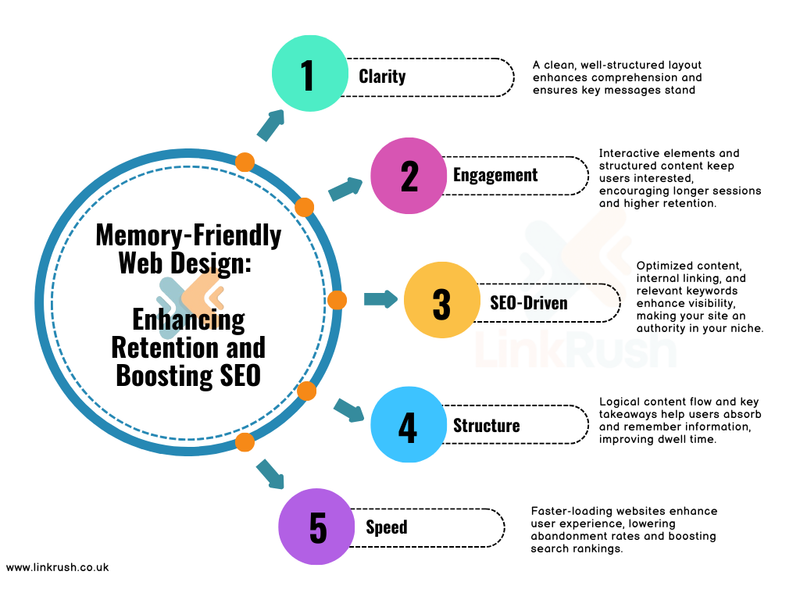
In today’s digital landscape, where content is abundant, helping users retain key information is a high priority for web designers, SEO experts, and digital marketers. “Memory-friendly” web design integrates principles of cognitive psychology to make information more memorable, easy to process, and accessible, which ultimately enhances user engagement and website SEO performance. Below, we’ll cover the core strategies of memory-friendly design, making websites more impactful and valuable to users.
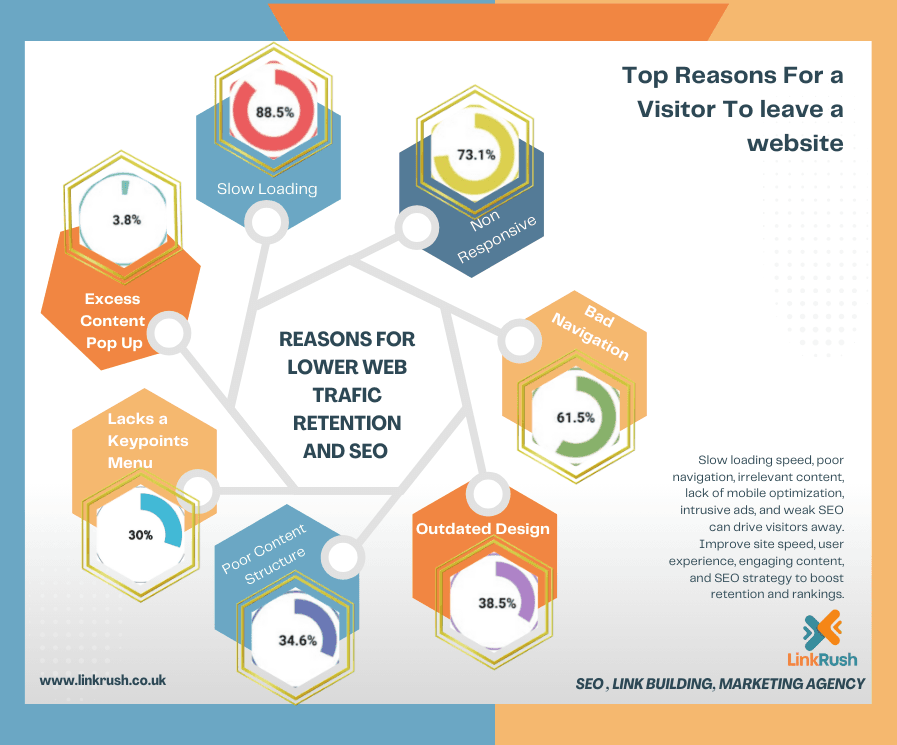
Introduction:
- Briefly introduce the importance of web design in user experience and retention.
- Explain how memory-friendly design can enhance user interaction and SEO performance.
- Mention how effective link building supports both retention and SEO ranking.
1. The Power of Memory in Web Design
- User Retention: When users visit a website, their ability to remember the content and layout can determine whether they return. Memory-friendly design focuses on elements that are easy to recall and navigate.
- Key Design Elements:
Consistent Color Scheme: Using a consistent color palette helps users mentally associate your brand with specific colors.
Simple Navigation: Clear, intuitive menus make it easier for users to find what they’re looking for and remember how to return.
Visual Hierarchy: Strong use of typography, icons, and images ensures important content sticks.
2. Why Memory-Friendly Design Boosts SEO
- Engagement Metrics: Search engines like Google use user interaction data such as time on site and bounce rate to rank websites. Memory-friendly designs encourage users to stay longer and engage with multiple pages.
- Content Recall: Easy-to-remember designs help users recall and revisit content, driving more organic traffic from return visits.
- Structured Content: Well-organized content allows users to scan and absorb information easily, increasing the likelihood of them sharing or linking back to the site, a key factor in SEO.
3. Implementing SEO and Link Building with Memory-Friendly Design
- Link Building Integration: Use internal links that are memorable and logically placed, which guides users through the site and encourages further exploration. Example: “Discover More” buttons or links to related posts.
- Readable URLs: Keep URLs short, descriptive, and relevant to the content, making them easy to recall and share.
- High-Quality Content for Backlinks: Content that’s easy to understand and memorable increases the chances that other websites will link to it. Guide users to share or link back to your pages by offering shareable and valuable content (e.g., infographics, guides, or case studies).
4. User Experience and its Impact on Link Building
- Shareable Content: Design your content to be shareable with intuitive buttons that make it easy for users to spread the word.
- Encouraging Organic Links: With a user-friendly, memorable experience, other websites are more likely to link to your content organically, improving your backlink profile.
- Testimonials and Reviews: Adding social proof and testimonials increases the credibility of your site, making it a more authoritative source for others to link to.
5. Key Tips for Designing Memory-Friendly Websites that Rank Well
- Simplify Information: Avoid overwhelming users with too much information at once. Break content into digestible sections and include summary points.
- Use Engaging Visuals: Interactive elements like infographics or videos can help cement key information in users’ minds.
- Optimize for Speed: A fast-loading site ensures users don’t leave before they have a chance to absorb your content.
Conclusion:
- Reinforce the importance of memory-friendly design in driving user engagement, retention, and SEO success.
- Summarize how good design, when paired with effective link building, can greatly improve both user experience and search engine rankings.
- Call to action: Encourage readers to evaluate their website's design for memory-friendliness and SEO optimization.
SEO Tips for the Blog Post:
- Keyword Strategy: Use terms like “memory-friendly design,” “SEO web design,” and “link building strategies” naturally throughout the post.
- Optimize for Snippets: Structure key points with headers to increase the chances of appearing in Google’s featured snippets.
- Internal Linking: Link to other related posts on your site to improve internal SEO and drive traffic to older content.
Impact of Website Redesign on SEO Performance (Renewed Agencies)
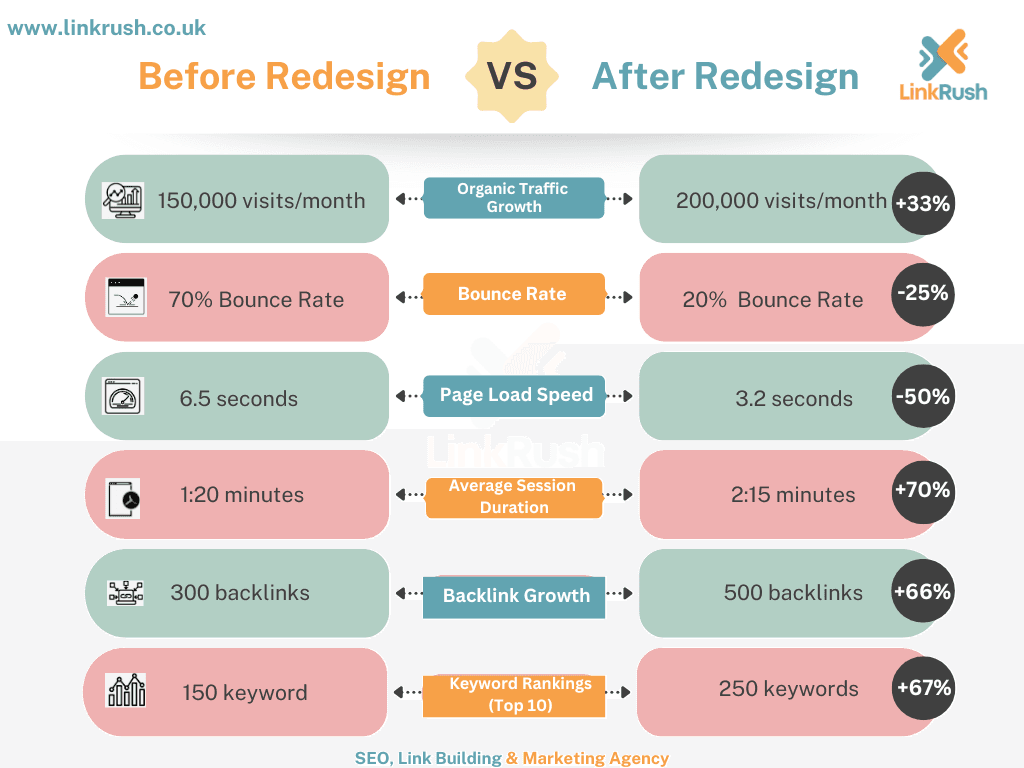
Metric Categories:
- Organic Traffic Growth
- Bounce Rate Improvement
- Page Load Speed
- Average Session Duration
- Backlink Growth
- Keyword Rankings
Source:
- HubSpot's "State of Inbound Marketing Report" (2023) – Found that companies who revamped their websites saw, on average, a 30% increase in organic traffic, a 20% decrease in bounce rate, and significant improvements in overall engagement.
- Moz's "2023 SEO Industry Report" – Discussed how website optimization and redesigns can lead to faster page loads, increased session duration, and a more significant backlink profile, contributing to better keyword rankings.
- Google’s Core Web Vitals Update (2021) – Highlighted the direct impact of page speed and user experience on search rankings, with websites improving load times seeing marked improvements in rankings and user behavior metrics.
- Neil Patel's "Website Redesign Impact on SEO" Case Study – Reported improvements in backlink growth and keyword rankings after redesigns, citing user experience improvements as a key factor in attracting organic links.
Explanation of Chart:
- Organic Traffic Growth: Agencies that redesign their websites often experience a significant increase in organic traffic due to improved design, faster load times, and optimized content.
- Bounce Rate: A more user-friendly design with intuitive navigation and appealing visuals helps lower bounce rates, signaling to Google that users find the content valuable.
- Page Load Speed: Faster page load times, which are often a result of website optimization during a redesign, can improve SEO as search engines prioritize speed.
- Average Session Duration: A design that keeps users engaged with content leads to more time spent on-site, improving SEO performance as it signals to search engines that users find the website engaging.
- Backlink Growth: With a better user experience and improved content structure, websites often attract more backlinks, a critical SEO ranking factor.
- Keyword Rankings: After a website redesign, agencies often see improved keyword rankings due to better content organization, optimized SEO elements, and an overall improved user experience.
Summary of Memory-Friendly Design Techniques
Below is a comparison of memory-friendly design strategies and their applications in SEO, link-building, digital marketing, and user experience.
Strategy | Purpose | SEO/Digital Marketing Benefit |
Visual Hierarchy | Organize information for quick comprehension | Improves readability, dwell time, and engagement |
Spaced Repetition | Reinforce memory with repetition | Boosts brand familiarity and keyword relevance |
Familiar Patterns | Reduce cognitive load with intuitive design | Enhances usability, increasing retention and SEO value |
Emotional & Visual Cues | Evoke emotions and guide users through site | Boosts social shares and brand visibility |
Chunked Content | Break complex information into manageable sections | Improves readability and scannability for SEO |
Interactive Elements | Engage users actively to enhance retention | Increases engagement metrics valuable for SEO |
Minimize Cognitive Load | Simplify design for better focus and processing | Enhances site speed and user satisfaction |
Summaries and Recaps | Reinforce key points for better retention | Boosts content relevance and shareability |
Conclusion:
Memory-friendly design is crucial for enhancing user engagement, retention, and SEO performance. By creating intuitive, fast-loading websites that are visually appealing, businesses can significantly improve their organic traffic, reduce bounce rates, and increase user interaction.
The data shows that agencies that implement website redesigns experience improved keyword rankings, more backlinks, and better session duration. These factors are key to boosting SEO.
Incorporating memory-friendly design alongside effective link-building strategies helps create a seamless user experience that both users and search engines value. Investing in this approach is essential for businesses seeking to improve online visibility and drive sustained growth.